
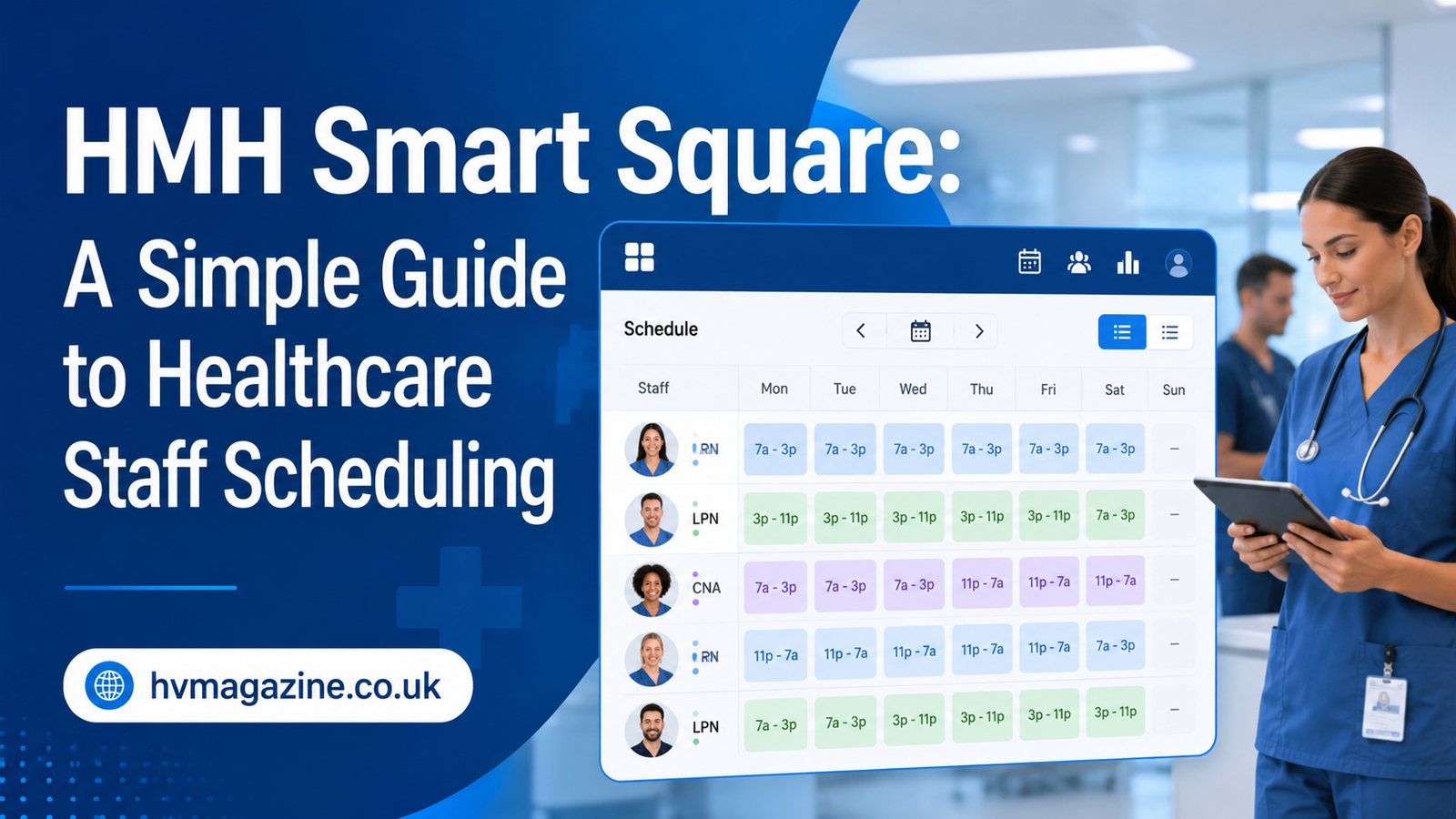
HMH Smart Square is a healthcare staff scheduling platform connected with the work needs of hospital teams, clinical departments, managers, and employees who need a clear way to view and manage schedules. In healthcare, staff scheduling is not a small task because hospitals and care centers operate through different shifts, departments, roles, and patient needs. A simple mistake in scheduling can create confusion for employees and pressure for managers. That is why tools like hmh smart square are important for healthcare organizations that want better planning, smoother communication, and easier schedule access. This guide explains what the platform is, why it matters, how it helps staff, and what users should understand before using it. The goal is to keep the information simple, useful, and easy for readers who want a clear overview without technical language.
What Is HMH Smart Square?
HMH Smart Square is generally known as a staff scheduling and workforce management system used in a healthcare environment. The name is often connected with Hackensack Meridian Health, where employees may use Smart Square-related access to check work schedules and manage staffing tasks. In simple words, it is a digital scheduling tool that helps healthcare staff and managers stay organized. Instead of depending only on paper schedules, phone calls, or manual updates, staff can use an online system to see schedule-related information in one place. For hospitals and care teams, this kind of tool can reduce confusion because everyone can work from the same scheduling system. It can also help leaders understand where staff coverage is strong and where more support may be needed.
Why Healthcare Scheduling Needs a Smart System
Healthcare scheduling is more complex than many other workplaces because patient care continues day and night. Nurses, doctors, support staff, administrative teams, and other healthcare workers may all have different shifts, departments, skill requirements, and availability. Managers have to balance employee needs with patient care demands, and that balance can change quickly. For example, one unit may need more coverage on a busy day, while another department may need schedule adjustments because of staff absence or patient flow. A system like hmh smart square can make this process more organized by giving teams better visibility into schedules and staffing needs. It helps reduce the stress that comes from unclear shift details, missed updates, or last-minute changes.
Main Purpose of HMH Smart Square
The main purpose of HMH Smart Square is to support healthcare workforce scheduling in a more efficient way. It gives staff members a place to access their schedules and gives managers tools to organize shifts, review coverage, and make better staffing decisions. The platform is not just about showing who works on which day. It is also about helping a healthcare organization plan ahead. Smart scheduling matters because hospitals must have the right people available at the right time. When scheduling works well, staff can focus more on patient care instead of spending extra time trying to confirm shifts or solve scheduling confusion. This makes the system useful for both employees and leadership teams.
Key Features of HMH Smart Square
HMH Smart Square may include several useful features related to healthcare staff scheduling. These can include schedule viewing, shift management, staffing visibility, requests, alerts, and reporting tools, depending on how the organization sets up the system. A staff member may use the platform to check upcoming shifts, review work timing, and stay updated with schedule changes. Managers may use it to plan coverage, fill open shifts, and understand workforce needs across departments. Some Smart Square systems also focus on predictive scheduling, which means they help organizations plan staffing needs based on expected demand. This is helpful in healthcare because patient volume and care needs can change over time, and good planning helps avoid both overstaffing and understaffing.
How HMH Smart Square Helps Employees
For employees, hmh smart square can make schedule access easier and more convenient. A healthcare worker may need to know when the next shift starts, what department they are assigned to, or whether a schedule change has been made. When this information is available through an online scheduling system, employees do not have to rely only on printed schedules or repeated calls to supervisors. This can save time and reduce stress, especially for workers who have busy routines. It also helps staff feel more informed because they can check schedule details when needed. In a workplace where timing is important, clear schedule access can make daily planning much easier.
How HMH Smart Square Helps Managers
Managers often carry the biggest responsibility when it comes to staff scheduling. They have to make sure departments have enough employees, shifts are covered, and staffing decisions match patient care needs. HMH Smart Square can help managers by organizing schedule information in a central system. Instead of handling every change manually, managers may be able to review staffing gaps, approve or adjust schedules, and track coverage more efficiently. This can reduce administrative pressure and allow managers to respond faster when changes happen. A better scheduling system also helps managers make decisions based on information instead of guesswork, which is important in a healthcare setting where coverage affects daily operations.
Benefits for Healthcare Organizations
Healthcare organizations can benefit from hmh smart square because staff scheduling affects almost every part of daily operations. When schedules are clear, departments can work more smoothly. When coverage is planned well, patient care teams can avoid unnecessary pressure. When managers have better visibility, they can respond faster to staffing needs. A digital scheduling platform can also support better communication between leadership and employees. This does not mean every scheduling problem disappears, but it gives the organization a stronger system for handling those problems. In large healthcare networks, where many employees work across different areas, having a structured scheduling tool can be very valuable.
Login and Access Overview
HMH Smart Square is usually accessed through an organization-approved login portal. Employees should use the official access method provided by their workplace or internal team resources. Since healthcare systems often protect employee and organizational information, users should avoid unofficial pages that ask for login details. If someone has trouble signing in, the safest step is to use the official password reset option if available or contact the proper internal support team. Staff should also make sure they are entering the correct username and password, using a supported browser, and checking whether the system requires secure sign-in. Login details should never be shared with anyone because scheduling systems may contain private workplace information.
Common Login Problems
Some users may face common access problems while using HMH Smart Square. These issues can include a forgotten password, incorrect username, expired login session, browser problem, or access restriction. Sometimes the system may not load properly because of cache issues, internet problems, or maintenance. A simple first step is to refresh the page, check the internet connection, and try again using the official portal. If the password is the issue, users should follow the approved password reset process. If the account is locked or access is not active, the employee may need help from the organization’s support team. It is always better to solve login problems through official channels rather than trying random websites or third-party instructions.
Safety Tips for Using HMH Smart Square
Users should treat hmh smart square like any other workplace system that contains important information. The safest habit is to use only the official login route given by the employer. Employees should avoid saving passwords on shared devices and should log out after using the system, especially on public or workplace computers that others may access. It is also smart to keep passwords private and avoid clicking suspicious pages that copy the look of real login portals. Healthcare organizations take security seriously because employee systems can connect to sensitive internal tools. Even if a scheduling platform mainly shows shifts, users should still protect their access details and follow workplace security rules.
Why Smart Scheduling Supports Better Care
Good scheduling does not only help employees; it also supports better patient care. When the right number of trained staff members are available, teams can work with more confidence and less pressure. Clear scheduling can help reduce confusion during shift changes, improve department coverage, and support better planning across the organization. In healthcare, every role matters because patient care depends on teamwork. If one schedule is unclear or one shift is not properly covered, the effects can reach many people. A system like HMH Smart Square supports the behind-the-scenes planning that helps healthcare workers stay focused on their duties.
Things Users Should Remember
HMH Smart Square should be understood as a workplace scheduling tool, not a public information platform for everyone. Access is normally meant for authorized staff members only. If a user is not part of the healthcare organization, they will not have a reason to log in. Employees should follow internal instructions, keep login details secure, and contact the correct support department when they face issues. It is also important to remember that features may look different depending on the organization’s setup. Some users may see schedule viewing only, while others may have more options based on their role, department, or permissions.
Conclusion
HMH Smart Square is a useful scheduling and workforce management tool for healthcare staff and managers. It helps employees view schedule information, supports managers with staffing organization, and gives healthcare teams a more structured way to handle shift planning. In a hospital or healthcare environment, scheduling is a serious task because it affects employee routines, department coverage, and patient care. By using a digital platform like hmh smart square, healthcare organizations can improve visibility, reduce confusion, and make staffing work more manageable. For employees, the best approach is to use the official login method, protect account details, and follow workplace guidance whenever help is needed. Overall, HMH Smart Square plays an important role in making healthcare scheduling simpler, clearer, and more organized.
Read More: Hvmagazine
